Building Works
Construction and completion of buildings, or delivery of a defined part of the works, within the agreed scope.
Experience shaped by responsibility for delivery: from organising site operations to coordinating schedules, financial resources, people and contractual obligations.

Aftabgoon was incorporated in 1377 SH (1998–1999) with building and building services contracting as its principal business. The company began operating on this basis, entering into and delivering a range of contracts in these fields.
This field forms part of Aftabgoon's history and delivery experience, developed through responsibility for execution, organising site operations and working with clients.
Contracting connects drawings and technical specifications with work on site. Project delivery depends on coordinating people, materials, equipment and activity sequences; decisions in one area can affect quality, cost and time in others.
Execution of all building, building services and landscaping projects; supply of all materials, components, machinery and supplies required for industrial and construction projects and manufacturing plants, including electrical, pneumatic and hydraulic items; procurement and production of building materials; and provision of services including cleaning, food preparation, cooking and distribution, staffing related to the company's objects, administrative services, typing, filing and secretarial work, procurement and supply of light and heavy machinery, road and transport services, and creation and maintenance of green spaces, for various organisations and departments. Supply of equipment and materials required by refineries, petrochemical plants, power stations and other organisations, and import and export of all permitted goods in compliance with the country's applicable laws and regulations.
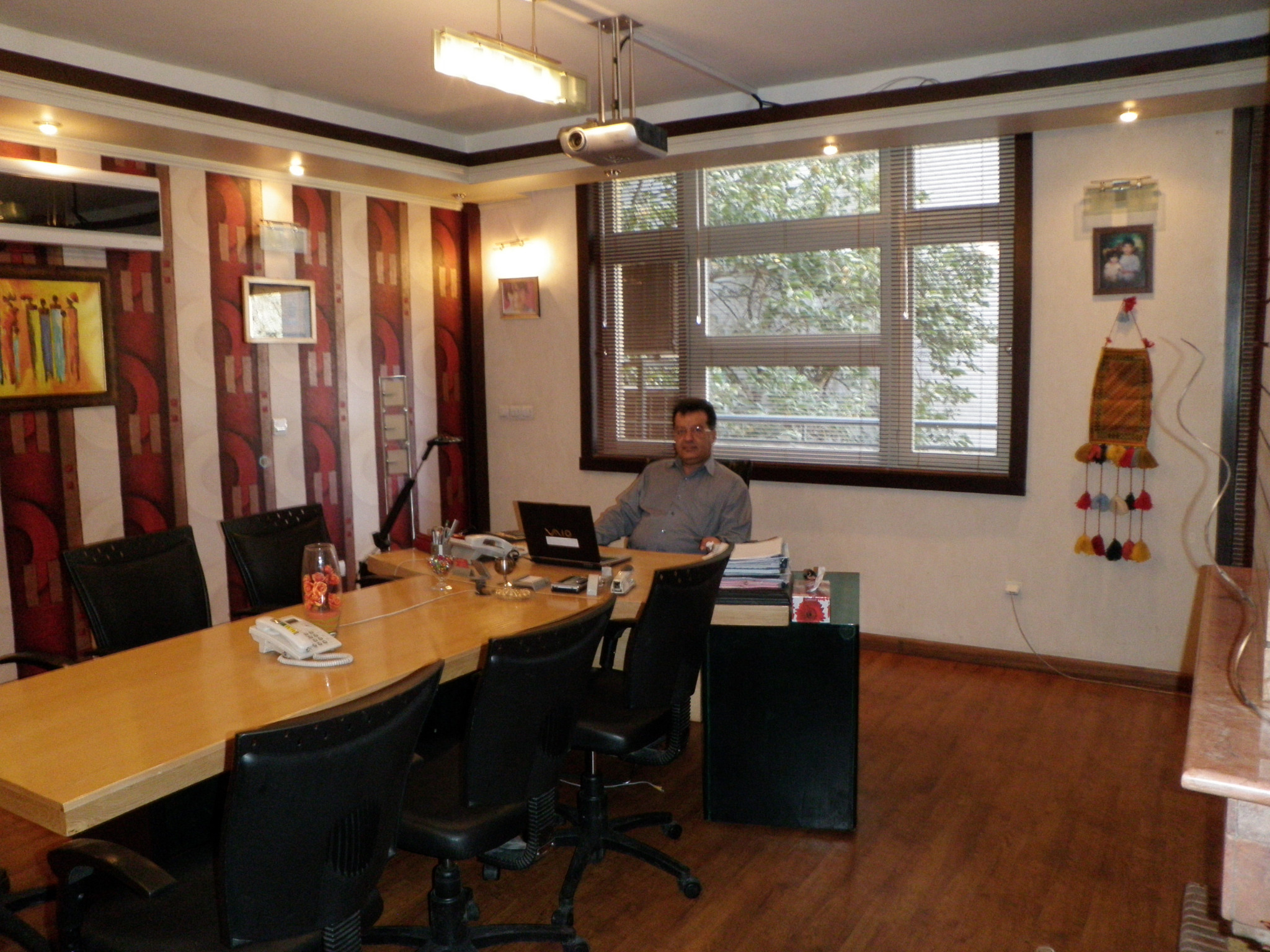
Project type, existing conditions, technical documents and client requirements form the basis of Aftabgoon's scope of services. Each project contract specifies the scope of work, responsibility for materials and equipment, the execution schedule and handover conditions.
Approximately 90% of Aftabgoon's construction and building services contractswere awarded through public tenders in competition with strong companies. This experience required careful assessment of tender documents, cost estimation and structured planning to meet contractual commitments.
Almost all building contracts were delivered on a turnkey basis, from start to finish, under the supervision of consultants and inspectors from government organisations. All execution stages followed the project schedule and stringent engineering standards, with the work undertaken by experienced, skilled and qualified teams.
Construction and completion of buildings, or delivery of a defined part of the works, within the agreed scope.
Assessment of existing conditions and coordination of the work required to renovate or complete buildings and spaces.
Installation and renewal of building services, taking account of operating conditions and the contractual scope.
Reviewing the relationships between spaces and building levels in a section drawing
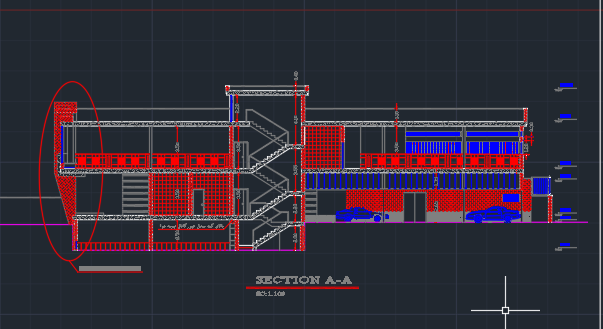
Responsibility for execution contracts highlighted the need for knowledge beyond the technical aspects of construction. Project planning and control, financial and administrative management, employment relations and contractual obligations became interconnected parts of that responsibility. Addressing these needs helped develop the consultant's management knowledge.
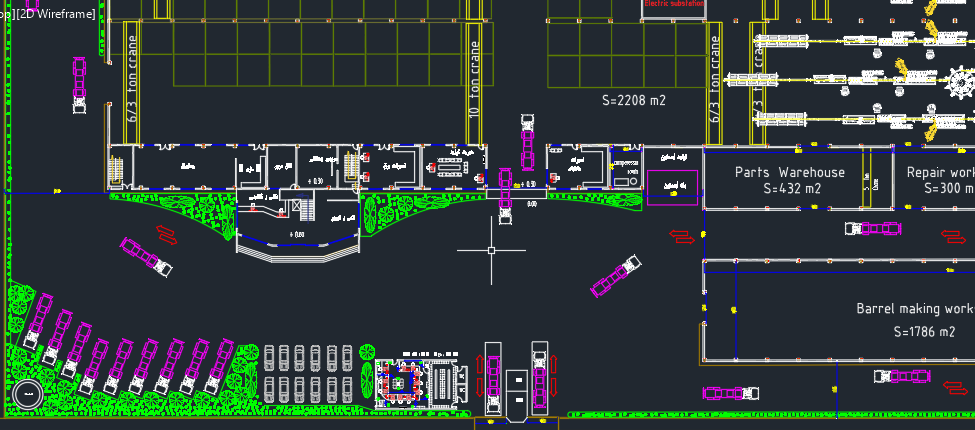
In Aftabgoon's delivery practice, AutoCAD was used to analyse and review the details of all construction and building services projects, while Microsoft Project (MSP) was used for project planning and control. Reviewing technical details alongside the schedule provided a basis for coordinating execution activities.
Organised project delivery requires a clear view of activities, their sequence and dependencies, the resources needed and the person responsible for each task. Project control software helps bring this information into a trackable plan and compare actual progress against the baseline.
The purpose of these tools extends beyond producing a schedule chart. Delayed materials, an unprepared work area or the reassignment of a site team can affect subsequent activities. Recording and updating information makes it possible to assess these effects and decide on work sequences, resource allocation and schedule revisions.
This need developed the consultant's management knowledge in breaking work into controllable activities, understanding dependencies, analysing delays and translating site reports into execution decisions.
The company's financial system used comprehensive corporate accounting software organised around projects. This structure supported the recording and tracking of each project's financial information and its review alongside execution progress.
Physical progress alone does not describe a project's condition. Costs incurred, purchasing commitments, receivables, upcoming payments and available cash must also be considered. Financial software enables systematic recording of this information and the preparation of comparable reports.
Separating costs by project and work category, tracking payments and receipts, and linking purchases and completed work to supporting documents help management understand differences between estimates and actual results. Decisions on the pace of execution are more realistic when the funding needs of subsequent stages are clear.
These requirements broadened the consultant's management perspective from controlling site operations to understanding the relationship between costs, commitments, cash flow and continuity of execution.
A web-based Excel application was used for reporting and monitoring personnel performance. This tool formed part of the company's approach to tracking activities and reviewing staff performance.
Site teams, the technical office, finance staff, suppliers and client representatives need shared information. If responsibilities, current drawings or meeting decisions are unclear, even a sound plan can lead to rework during execution.
Administrative and document workflow software can support the recording of correspondence, meeting minutes, purchase requests, site reports and personnel records. Each matter needs a designated follow-up owner, a clear status and an accessible history, with valid document versions available to the relevant people.
This experience emphasised the importance of defining authority and responsibility, maintaining reporting discipline, following up decisions and coordinating execution teams. It strengthened the consultant's organisational and team management capabilities.
Contracting operates within a framework of contractual obligations and employment and commercial relationships. A project manager needs to recognise how execution decisions affect each party's responsibilities and identify matters requiring specialist review in good time.
Familiarity with contract law concepts is important for understanding the scope of obligations, variations, correspondence, documentation of agreements and handover conditions. Knowledge of labour and social security matters is also necessary for understanding employment relationships, work records, insurance matters and responsibilities relating to execution teams. Commercial law knowledge helps clarify company relationships, representatives' authority and dealings with business partners.
Addressing these matters during execution contracts helped expand the consultant's management knowledge of legal issues, employment, social security and commerce. For specialist matters, this management awareness supports problem identification and effective cooperation with the relevant professional.
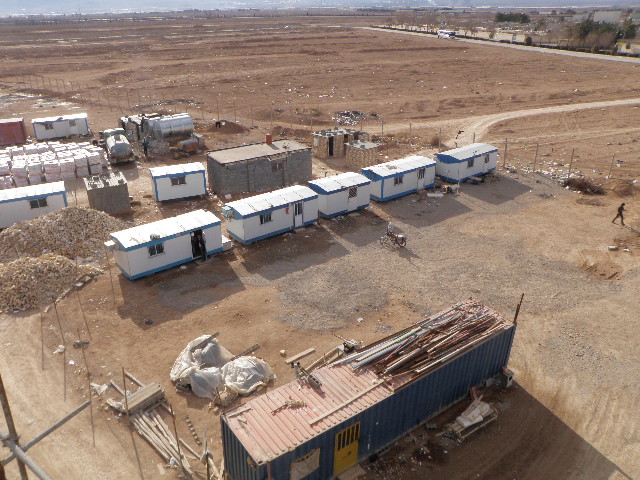
Contracting experience demonstrated that scheduling, funding, administrative discipline and contractual obligations must be considered together. A delayed activity may affect payments; limited cash flow may change the procurement schedule; and an undocumented decision may make team coordination more difficult.
The need to understand and manage these relationships developed the consultant's management knowledge: asking more precise questions, identifying problems earlier and coordinating operational, financial and personnel decisions.
This experience supports Aftabgoon's approach to assessing and advancing projects: understanding actual conditions, defining responsibilities clearly and following up actions systematically.
The site location, type of work, current status and client expectations are discussed to assess the feasibility and suitability of cooperation.
Drawings and technical information are reviewed as needed. A site visit is scheduled after agreement on its scope and cost.
The scope of work, each party's responsibilities, required resources, execution schedule and handover conditions are clarified in the proposal and contract.
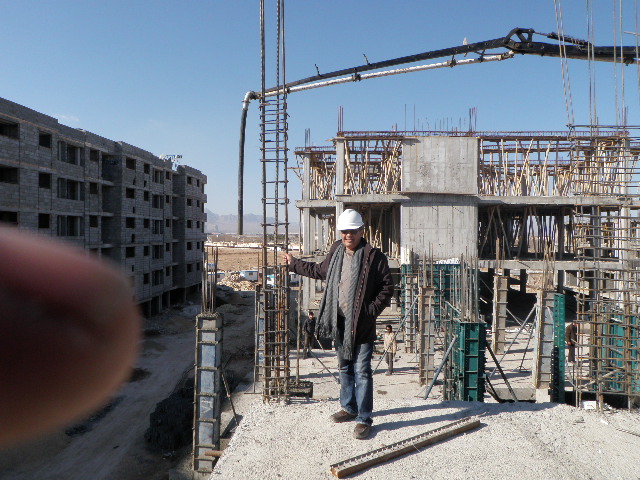
Contract descriptions, Aftabgoon's responsibilities and photographs of construction and building services projects are presented in the Projects & Track Record section.
If you are planning construction, renovation or building services works, send the initial details, site location and a description of your requirements so we can assess project acceptance and a framework for cooperation.
Request a Project AssessmentA brief introductory meeting is free of charge. Document review, site visits and specialist reports are undertaken after agreement on scope and cost.